Used outdoor gear usually means a discount. But with certain pieces, paying close to retail on the resale market actually makes sense.
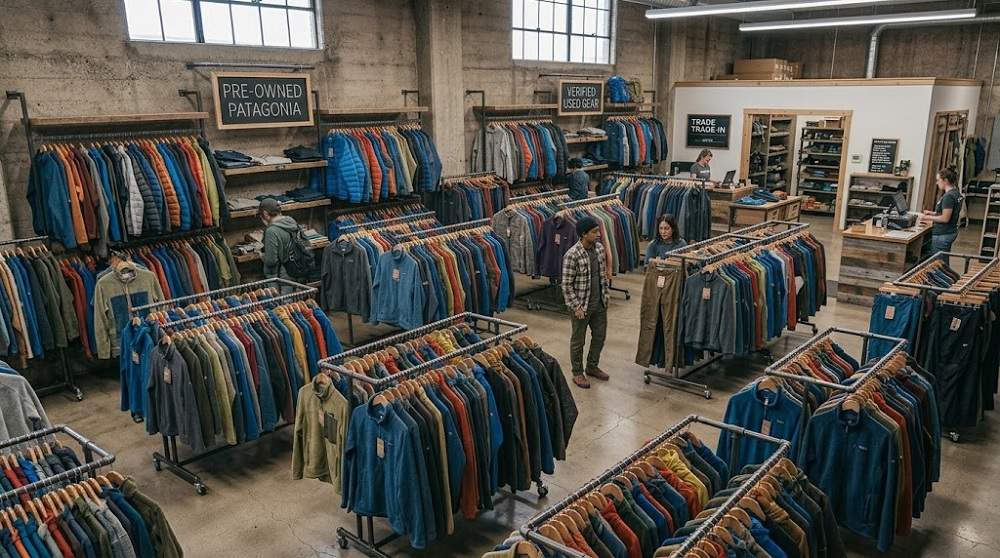
Second hand Patagonia sits in a weird spot – sometimes you’ll find a $300 jacket for $80, and sometimes that same jacket lists for $260 used.
Knowing when that higher price is justified saves you from overpaying and helps you spot a genuinely good deal when it shows up.
What Makes A Discontinued Colorway Worth More?
Discontinued colorways hold more value because you simply can’t buy them new anymore.
Production runs for outdoor apparel are seasonal. A color released in fall 2019 won’t come back in 2024 – and sometimes it never comes back at all. Collectors and longtime fans know this, which is why specific colorways drive resale prices up well above what they originally sold for.
This isn’t just enthusiasm. The resale market for outdoor apparel has grown significantly – according to ThredUp’s 2023 Resale Report, the secondhand apparel market is projected to reach $350 billion globally by 2027, with performance and outdoor gear among the fastest-growing categories. When supply of a specific piece is fixed and demand stays consistent or grows, prices hold firm.
If you’re looking at a colorway you’ve never seen on the current product page, that’s usually a sign it’s been pulled. That alone pushes the value up. You’re not just buying a jacket – you’re buying the only version of that jacket that will ever exist in that color.
How Pulled Product Lines Drive Resale Demand?
When an entire product line gets discontinued, resale value doesn’t just hold – it often climbs.
Some lines get pulled because of production cost changes, material sourcing issues, or shifts in brand direction. The people who loved those specific designs don’t disappear, though. They move to the resale market instead.
A good example of this pattern: older fleece silhouettes that got replaced by updated versions often fetch prices close to or above their original retail. The fit, the weight, or the material blend was different in ways that mattered to buyers. And once the new version replaces it entirely, the resale price on the old one reflects that gap.
This is why you’ll see used pieces listed at $180–$240 that originally retailed for $199. The seller isn’t being unreasonable – they’re pricing based on actual market demand, not just nostalgia.
Does The Repair Guarantee Actually Add Real Value?
Yes, and it’s one of the more concrete reasons to pay a higher resale price.
The brand’s repair program is one of the most established in the outdoor industry. They repair gear regardless of age or where you bought it. That means a jacket you buy secondhand is still eligible for professional repair if a zipper fails, a seam tears, or insulation bunches up after years of use.
Repair costs for outdoor gear can run anywhere from $25 to $100 or more depending on the fix. Getting that covered – or significantly reduced – on a piece you bought used is real money. You’re essentially buying into an ongoing service, not just a garment.
The brand has repaired over 100,000 garments annually through its repair centers, according to reporting on its Worn Wear program. That program also resells repaired items directly, which tells you something about how seriously the repair infrastructure is taken. When you buy used and that guarantee transfers, you’re getting part of that system too.
How To Know If A Specific Piece Justifies The Price?
Check three things: current retail availability, condition, and repair history.
If the piece still shows up on the main site in your size and color, there’s no reason to pay resale prices close to retail – just buy it new. But if it’s sold out across all sizes, or the colorway doesn’t appear anywhere on current listings, that changes things.
Condition matters more than age here. A 2017 jacket that’s been worn lightly and stored properly is worth more than a 2021 jacket with worn-out elbows and a broken zipper pull. Photos from multiple angles, close-ups of seams and zippers, and any mention of previous repairs all help you judge condition accurately.
Repair history is actually a good sign, not a bad one. A piece that’s been repaired by the brand’s own repair center has documentation, quality workmanship, and is often in better structural shape than an unrepaired piece with hidden wear.
FAQs
Does the repair guarantee transfer when you buy second hand Patagonia?
Yes. The repair policy covers gear regardless of who bought it originally or where the current owner got it from. You don’t need a receipt.
Are older fleece styles worth more than newer ones on the resale market?
Often, yes. Older silhouettes with different fits or material weights sometimes hold higher resale value than current versions, especially if they’ve been discontinued.
How do you find discontinued colorways in good condition?
Resale platforms that let you filter by color, size, and condition are your best tool. Searching model names directly alongside the colorway description tends to give cleaner results than browsing by category.
Is paying near-retail for used outdoor gear ever a bad idea?
If the piece is still available new in the same size and color, yes – paying near-retail used rarely makes sense. The exception is if you need it immediately and new stock is delayed or sold out locally.
What condition rating should you look for when paying a higher price?
Look for listings rated “excellent” or “like new” with detailed photos. At near-retail prices, you should expect minimal visible wear, all original hardware intact, and no permanent odors or staining. That’s the standard worth paying for with second hand Patagonia.