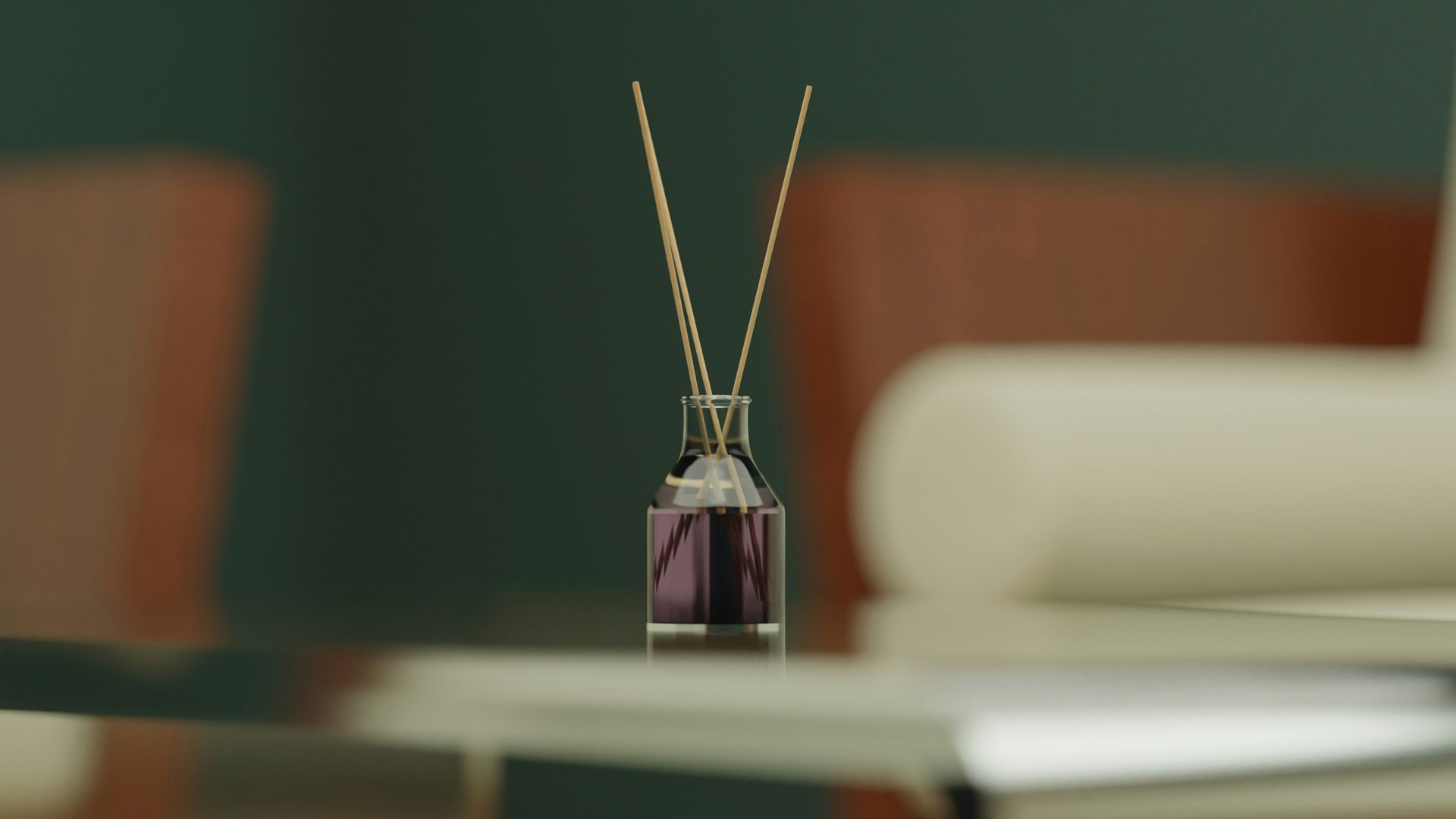
Fragrance can have a subtle influence on how people experience an indoor space. In commercial environments, the right scent can complement the atmosphere, support a sense of cleanliness, and contribute to a more welcoming setting for customers, guests, employees, and visitors. Hotels, offices, retail stores, restaurants, wellness facilities, and residential communities may all use professional scenting systems to manage the atmosphere of their spaces.
However, choosing a fragrance is not simply a matter of selecting the scent that smells most pleasant in a sample. A fragrance that works well in a small room may behave differently in a large lobby or an open retail environment. Airflow, room size, occupancy, temperature, interior materials, and operating hours can all influence how a scent is perceived.
Businesses researching aroma diffuser scents should therefore consider both the fragrance itself and the environment in which it will be used. A thoughtful selection process can help create a balanced scenting experience without making the fragrance too strong or distracting.
Why Fragrance Selection Matters
People experience fragrance differently from visual elements. A customer may not consciously identify a particular scent, yet it can still contribute to their overall impression of a space.
A clean, fresh fragrance may reinforce the feeling of a well-maintained environment. A warm woody fragrance can create a more sophisticated atmosphere, while citrus or herbal notes may produce a brighter and more energetic impression.
The fragrance should support the purpose of the space.
For example, a luxury hotel may want an elegant and refined scent, while a healthcare-related environment may prefer something extremely subtle and clean. A retail store may want a distinctive fragrance that complements its interior design, while an office may prioritize a low-intensity scent suitable for employees who spend many hours indoors.
Understanding Fragrance Families
Before choosing a particular fragrance, businesses can begin by identifying broad scent families.
Common fragrance categories include:
- Citrus
- Floral
- Woody
- Herbal
- Green
- Fruity
- Aquatic
- Amber
- Fresh and clean
- Spicy
Each category creates a different atmosphere and can be combined with other notes to produce a more complex fragrance profile.
Citrus Fragrances
Citrus fragrances often include notes associated with lemon, orange, grapefruit, bergamot, or similar fruits. They are commonly perceived as bright, fresh, and energetic.
These profiles can work well in offices, retail stores, reception areas, and fitness environments where a light and refreshing atmosphere is desirable.
Floral Fragrances
Floral profiles can include rose, jasmine, lavender, or other botanical notes. Depending on the composition, they can range from soft and delicate to rich and sophisticated.
Hotels, boutiques, salons, and wellness facilities may use floral characteristics when they complement the surrounding environment.
Woody Fragrances
Woody scents often contain characteristics associated with cedar, sandalwood, or other woods. They can create a warm, sophisticated, and grounded atmosphere.
These fragrances are often suitable for upscale hospitality environments, lounges, offices, and retail spaces.
Fresh and Clean Fragrances
Fresh profiles may include light aquatic, green, or airy characteristics. They are often chosen for environments where businesses want to reinforce a feeling of freshness.
Office reception areas, apartment lobbies, fitness centers, and shared facilities may benefit from subtle fresh fragrances.
Matching Fragrance to the Business Environment
The same fragrance is not necessarily appropriate for every commercial setting.
A business should consider what visitors expect when they enter the property.
Hotels
Hotels often aim to create a polished and memorable experience. A sophisticated fragrance combining woody, floral, fresh, or amber notes may complement upscale interiors.
The scent should remain subtle in guest-facing areas. Lobbies can generally tolerate more noticeable fragrance than small elevators or enclosed corridors.
Offices
Office environments require special consideration because employees may be exposed to fragrance throughout the working day.
Clean, light, and subtle profiles may be more appropriate than heavy or sweet fragrances. Reception areas and shared spaces can be prioritized while keeping employee workstations relatively neutral.
Retail Stores
Retail businesses may use fragrance as part of their overall customer experience. The scent can complement the store’s merchandise, interior design, and target audience.
A fashion boutique may choose an elegant fragrance, while a home-oriented retailer might prefer warm or fresh characteristics.
Restaurants
Restaurants need careful fragrance management because food aromas are an important part of the customer experience.
Artificial fragrance should not compete with the smell of food. If scenting is used, it may be more appropriate near entrances, waiting areas, or restrooms rather than directly around dining tables.
Fitness Centers
Fitness facilities can experience strong odors due to physical activity and high occupancy. A clean, fresh fragrance may complement proper ventilation and cleaning.
However, fragrance should never be used as a substitute for hygiene and ventilation.
Consider the Size of the Space
Room size can significantly influence how fragrance is perceived.
A scent that seems moderate in a large lobby may feel overwhelming in a small conference room. Conversely, a fragrance that is barely noticeable in a large open space may be appropriate for a compact reception area.
Businesses should therefore select both fragrance and equipment according to the size of the intended area.
Important considerations include:
- Floor area
- Ceiling height
- Room layout
- Air circulation
- HVAC operation
- Number of occupants
- Frequency of door opening
These factors influence how quickly fragrance disperses and how long it remains noticeable.
Airflow and Fragrance Distribution
Air movement is one of the most important environmental factors affecting scent distribution.
HVAC systems, fans, open doors, and natural ventilation can move fragrance throughout a building. Strong airflow may disperse scent quickly, while limited airflow can cause fragrance to accumulate in specific areas.
For this reason, diffuser placement should be planned carefully.
A unit placed directly beside an exterior entrance may lose fragrance through constant air exchange. A diffuser placed in a stagnant corner may produce excessive fragrance nearby while leaving distant areas under-scented.
Understanding airflow can help businesses achieve more balanced distribution.
Choosing the Right Fragrance Intensity
Selecting a pleasant fragrance is only part of the process. The intensity also needs to be appropriate.
A commercial environment generally benefits from a controlled background scent rather than a fragrance that immediately dominates the room.
Businesses can start with moderate output and observe how the fragrance performs during normal operating hours.
Intensity may need to change according to:
- Occupancy
- Temperature
- Room size
- Ventilation
- Ceiling height
- Fragrance concentration
- Time of day
Adjustable commercial equipment can make these changes easier to manage.
Natural and Synthetic Fragrance Components
Commercial fragrances can contain various aromatic materials. Some compositions rely heavily on naturally derived ingredients, while others use synthetic aroma compounds or combinations of both.
Natural ingredients can provide distinctive characteristics, but they may also vary depending on their source and availability. Synthetic materials can provide greater consistency and allow fragrance designers to create specific scent profiles.
The most important consideration is whether the fragrance is suitable for its intended application and is used according to appropriate product guidance.
Testing Before Full Installation
Businesses should ideally test fragrance before implementing it across an entire property.
A sample can smell different in a small container than it does after being diffused into a large room.
Testing can reveal:
- Actual fragrance intensity
- How quickly the scent spreads
- How long it remains noticeable
- Whether it complements the interior
- Whether the fragrance becomes overpowering
- How it interacts with existing odors
A trial period can therefore be more informative than selecting a fragrance based solely on its description.
Fragrance and Customer Expectations
Different businesses create different expectations.
A high-end hotel may benefit from a polished and sophisticated fragrance, while a family-oriented retail environment may prefer something lighter and more approachable.
Businesses should think about the emotional character they want their environment to communicate.
Possible goals include:
- Freshness
- Sophistication
- Relaxation
- Energy
- Warmth
- Cleanliness
- Comfort
- Modernity
The fragrance should reinforce that goal without becoming the main focus of the environment.
Developing a Signature Scent
Some businesses choose to create a signature fragrance that becomes associated with their property or service.
A signature scent can be particularly useful for hotels, retail businesses, spas, and other customer-focused environments.
The process generally involves selecting a fragrance family and combining complementary notes. The final profile should be distinctive enough to be recognizable but subtle enough for regular exposure.
Consistency is essential. If the scent changes frequently or varies significantly between locations, customers may not develop a clear association with it.
Using Fragrance Across Multiple Locations
Businesses with several branches may want to maintain a consistent scenting strategy.
For example, a hospitality group may use the same fragrance family across different properties. A retail chain may use a recognizable scent in its stores.
However, identical equipment settings are not necessarily appropriate everywhere.
Buildings differ in:
- Floor area
- Ceiling height
- HVAC systems
- Customer traffic
- Room configuration
- Operating hours
The fragrance profile can remain consistent while output levels are adjusted for each location.
Seasonal Fragrance Considerations
Some businesses change their fragrance selection based on the season.
Fresh citrus and aquatic profiles may feel appropriate during warmer months, while warmer woody or amber fragrances may be used during cooler seasons.
Seasonal changes can add variety, but businesses should avoid changing fragrances so frequently that customers cannot associate the environment with a recognizable scent.
A stable core fragrance with occasional seasonal variations can provide a balance between consistency and freshness.
Fragrance and Odor Management
Fragrance should not be used to hide persistent unpleasant odors.
If a property has problems caused by waste, moisture, plumbing, food residue, or poor ventilation, those sources should be addressed first.
An effective odor-management strategy includes:
- Regular cleaning
- Proper ventilation
- Waste removal
- Moisture control
- Plumbing maintenance
- Identification of odor sources
- Appropriate fragrance distribution
Once the underlying causes are controlled, fragrance can be used as a complementary element of the indoor environment.
Maintenance of Diffusion Systems
Even the right fragrance can perform poorly if the equipment is not maintained properly.
Commercial systems may require regular inspection, fragrance replacement, cleaning, and adjustment.
A maintenance routine can include:
- Checking fragrance levels
- Inspecting equipment
- Reviewing operating schedules
- Monitoring output
- Checking coverage
- Cleaning components according to equipment guidance
- Replacing fragrance supplies when necessary
Regular maintenance helps ensure that the scenting system continues to provide consistent performance.
Safety and Responsible Use
Commercial fragrance systems should always be operated according to the equipment and fragrance manufacturer’s instructions.
Businesses should avoid assuming that more fragrance produces better results. Excessive output can create an uncomfortable environment and may be unnecessary.
Proper ventilation, appropriate placement, controlled intensity, and regular monitoring are all important parts of responsible scent management.
Choosing Equipment Alongside Fragrance
Fragrance selection and diffuser selection should be considered together.
A fragrance intended for a large commercial space requires equipment capable of providing appropriate coverage. Similarly, a small office may not need the same output capacity as a large hotel lobby.
Businesses should evaluate:
- Coverage requirements
- Diffusion technology
- Adjustable output
- Programmable schedules
- Installation options
- HVAC compatibility
- Maintenance requirements
- Fragrance consumption
This integrated approach can produce better results than choosing equipment first and fragrance later.
Creating a Balanced Scenting Strategy
An effective commercial scenting program is based on balance. The fragrance should support the environment without overwhelming it.
Businesses can begin by defining the purpose of scenting, identifying the areas requiring coverage, selecting appropriate fragrance families, and testing intensity.
After installation, the system should be monitored under real operating conditions. Adjustments can then be made according to occupancy, airflow, and feedback.
The strategy may also need to evolve when the property changes. Renovations, new furniture, altered HVAC systems, or changes in operating hours can all affect fragrance distribution.
Conclusion
Selecting suitable aroma diffuser scents requires careful consideration of both the fragrance and the environment where it will be used. Citrus, floral, woody, fresh, herbal, aquatic, amber, and other fragrance families can create very different atmospheres, making it important to match the scent with the purpose and character of the business.
Room size, airflow, occupancy, ceiling height, and operating schedules also influence how fragrance is perceived. Commercial businesses should therefore test fragrances before large-scale installation and use adjustable diffusion equipment to maintain an appropriate intensity.
Most importantly, fragrance should complement rather than replace cleaning, ventilation, and proper odor management. With thoughtful fragrance selection, strategic equipment placement, controlled output, and regular maintenance, businesses can create a comfortable and consistent indoor atmosphere that supports the overall experience of customers, guests, and employees.