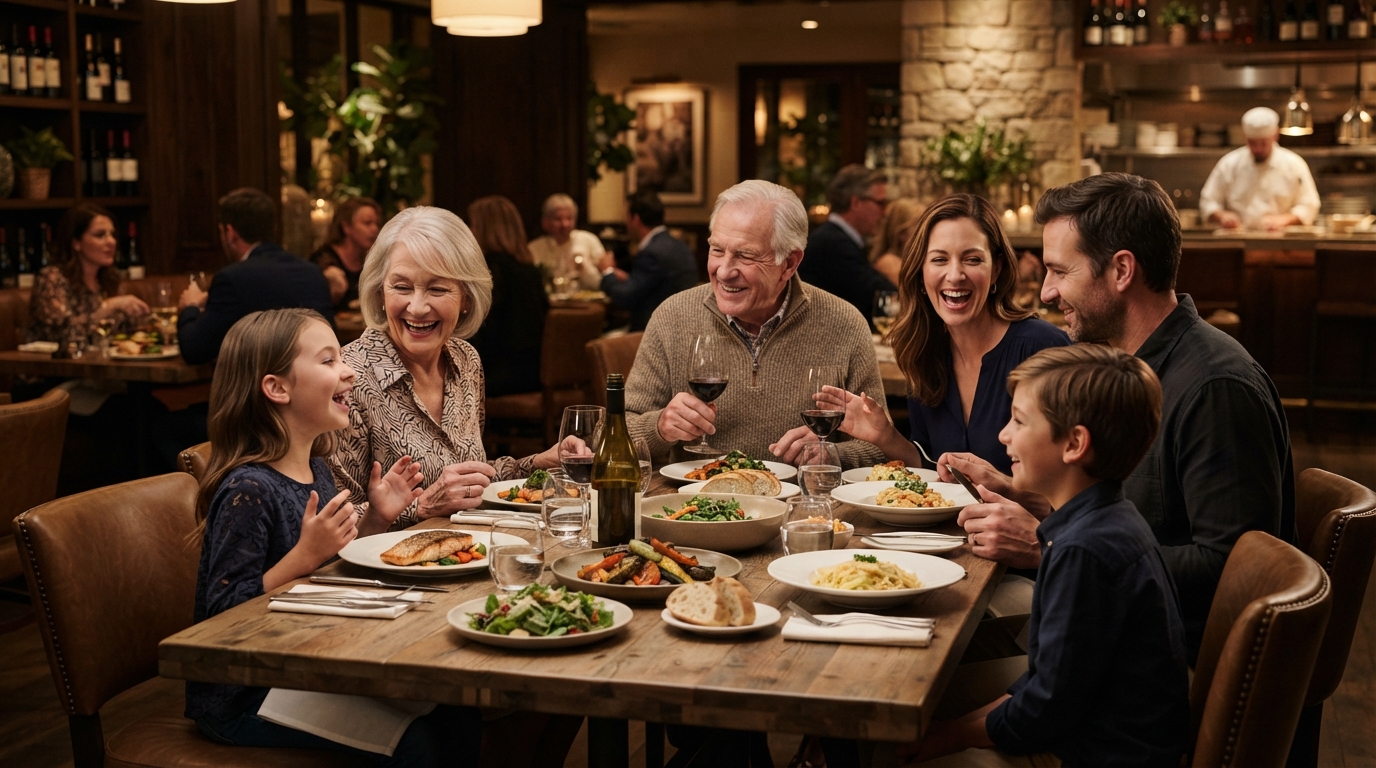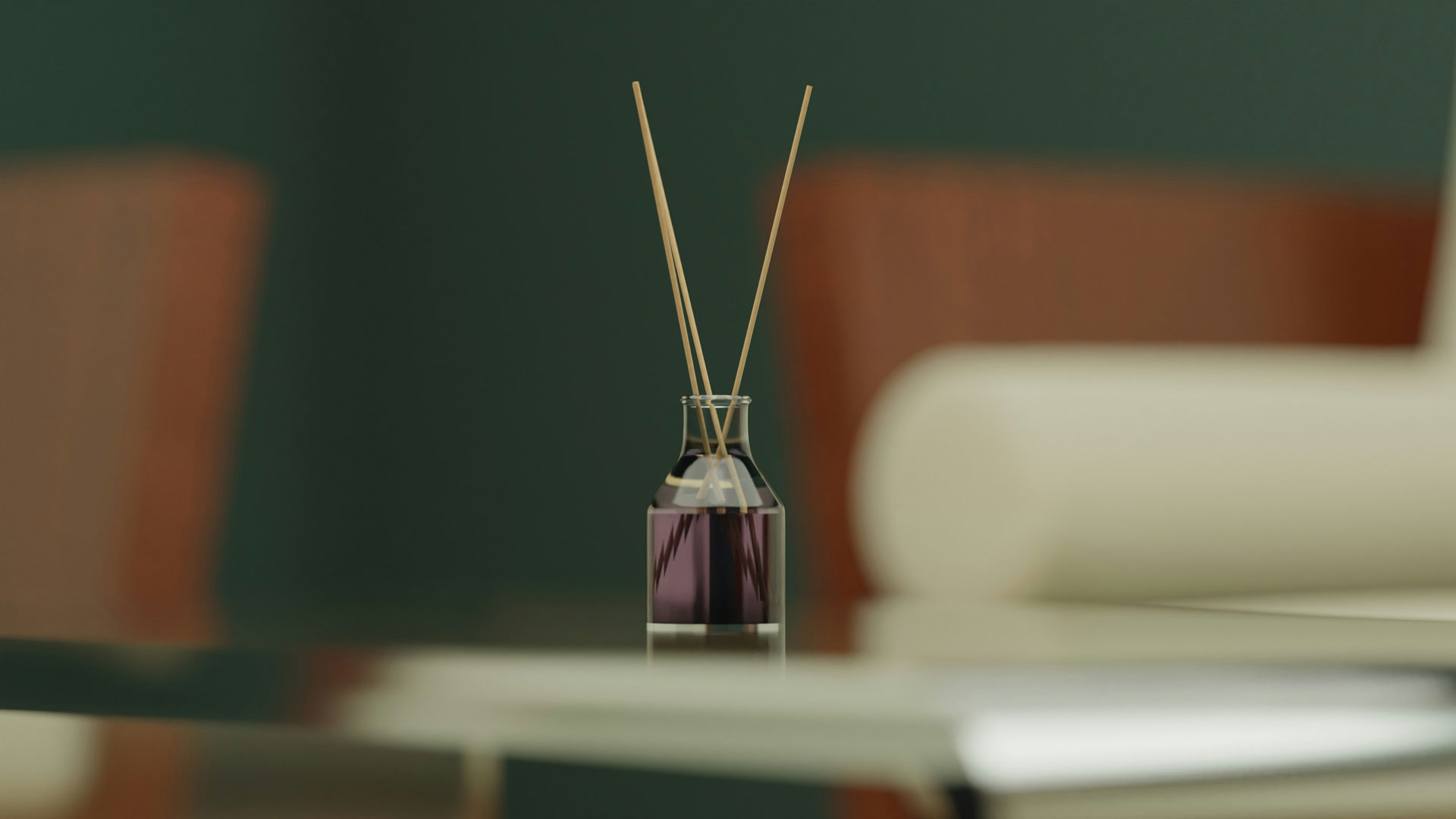
Restaurants focus on creating memorable experiences. Along with good food, service, and design, scent is now recognized as an important factor in how guests feel about a space. Using an aroma diffuser can make the atmosphere more welcoming, highlight cleanliness, and help guests enjoy their visit from the moment they walk in.
Today, many restaurants use professional scenting systems to keep the environment pleasant, control odors, and support their brand image. When used well, fragrance quietly shapes the guest experience in a positive way.
Why Scent Matters in Restaurants
The sense of smell is closely connected to memory and emotion. Guests often form impressions about a restaurant before they even look at the menu. The aroma within the space can influence comfort levels, perceptions of cleanliness, and overall satisfaction.
A carefully managed scent environment can help:
- Create a welcoming first impression
- Improve perceived cleanliness
- Enhance customer comfort
- Strengthen brand identity
- Support a memorable dining experience
Managing scent is especially important in restaurants because smells from the kitchen, prep areas, and busy crowds can change the atmosphere.
What Is an Aroma Diffuser for Restaurant Use?
An aroma diffuser for restaurants is a commercial system that spreads fragrance evenly in dining rooms and shared spaces. Unlike regular air fresheners, these systems give steady, controlled scent all day long.
They are commonly installed in:
- Dining rooms
- Waiting areas
- Reception spaces
- Private dining rooms
- Bar areas
- Restrooms
- Entrance lobbies
The goal is to keep food aromas as the main focus while making the space feel fresh and inviting.
How Commercial Restaurant Diffusers Work
Modern scent systems use technology to turn fragrance oils into tiny particles that spread evenly through the air.
Cold-Air Diffusion Technology
Cold-air diffusion is a highly effective way to scent commercial spaces.
Key advantages include:
- No heat used during operation
- No water dilution
- Consistent fragrance output
- Residue-free diffusion
- Effective coverage for large spaces
This method keeps the original scent true and ensures the fragrance stays subtle.
Nebulizing Diffusers
Nebulizing systems use pressurized air to break fragrance oils into very fine particles.
Benefits include:
- Strong fragrance performance
- Rapid scent distribution
- Pure fragrance delivery
- Suitable for medium and large restaurants
Restaurants with lots of guests often choose these systems.
HVAC-Integrated Diffusion
Large restaurants and hospitality venues often integrate fragrance systems into their HVAC networks.
Benefits include:
- Uniform scent distribution
- Coverage across multiple dining areas
- Centralized management
- Minimal visible equipment
This approach is especially useful for restaurants with large floor plans.
Benefits of Using an Aroma Diffuser in Restaurants
Improved Guest Experience
A nice scent makes the space feel welcoming and helps guests relax and enjoy their meal.
Enhanced Perception of Cleanliness
Customers often link a fresh smell with cleanliness and good attention to detail.
A fragrance system can help reinforce:
- Clean dining areas
- Well-maintained facilities
- Professional operations
Better Odor Management
Restaurants face unique odor challenges, including:
- Cooking aromas
- Food waste storage
- Restroom odors
- High customer traffic
Professional scent systems help control these smells without getting in the way of the food.
Stronger Brand Identity
Many restaurants want to stand out with a unique atmosphere. Scent can be part of the experience and help build a memorable identity.
Consistent Environment Throughout the Day
Unlike sprays or manual fresheners, commercial diffusers keep the scent steady throughout business hours.
Choosing the Right Fragrance for Restaurants
Choosing the right scent is important in restaurants. The fragrance should work with the dining experience, not compete with the smell of the food.
Fresh and Clean Fragrances
These are among the most popular choices for restaurants.
Examples include:
- Fresh linen
- Cotton-inspired scents
- Clean air accords
- Ocean breeze fragrances
These scents make the space feel clean without taking attention away from the food.
Citrus Fragrances
Citrus notes provide a fresh and uplifting atmosphere.
Popular options include:
- Lemon
- Bergamot
- Orange
- Grapefruit
These scents are often used at entrances and in waiting areas.
Herbal Fragrances
Light herbal scents can create a sophisticated and refreshing environment.
Examples include:
- Green tea
- Mint blends
- Basil-inspired notes
- Light eucalyptus
These scents are a good fit for upscale restaurants.
Light Woody Fragrances
Subtle woody notes can contribute to a warm and refined atmosphere.
Common choices include:
- Cedarwood
- Sandalwood
- Soft amber
- Light musk blends
You’ll often find these scents in high-end restaurants.
Areas Where Restaurant Scenting Can Be Most Effective
Entrance and Reception Areas
The entrance is where guests first experience your restaurant.
A welcoming fragrance can:
- Create positive first impressions
- Establish the desired atmosphere
- Enhance customer expectations
Waiting Areas
A pleasant scent makes waiting more comfortable for guests.
Dining Rooms
A light scent in the dining area adds to the atmosphere without taking away from the food.
Restrooms
A fresh, steady scent in restrooms makes a big difference in how guests see your restaurant.
Private Event Spaces
Banquet rooms and private dining spaces can use custom scents to match the mood of each event.
Important Considerations for Restaurant Scenting
Avoid Overpowering Fragrances
Food should always be the main focus in a restaurant. Scents should add to the atmosphere, not take over.
Consider Restaurant Concept
Different types of restaurants may need different scents.
Examples:
- Casual dining may favor fresh scents
- Fine dining often benefits from subtle luxury-inspired fragrances
- Cafés may prefer light and comforting aromas
Evaluate Airflow
Airflow from ventilation and the kitchen can change how scent spreads.
Important factors include:
- Ceiling height
- HVAC configuration
- Dining room layout
- Traffic patterns
Choose Scalable Systems
Since restaurant crowds change throughout the day, adjustable scent systems help keep the atmosphere consistent.
Common Mistakes in Restaurant Scenting
To get the best results, restaurants should avoid some common mistakes.
Using Strong Perfumed Scents
Heavy fragrances can interfere with food enjoyment and negatively impact the dining experience.
Poor Diffuser Placement
If diffusers are not placed well, some areas may have too much scent while others have too little.
Ignoring Ventilation Patterns
Airflow plays a big role in how scent moves through the restaurant.
Selecting Inappropriate Fragrance Profiles
The scent you pick should match your restaurant’s style and what your customers expect.
The Growing Role of Scent in Hospitality and Dining
As customer experience becomes an increasingly important competitive factor, restaurants are paying more attention to environmental design. Scent is now recognized as a valuable tool for creating memorable and comfortable dining spaces.
Professional fragrance diffusion systems are commonly used in:
- Fine dining restaurants
- Casual dining establishments
- Hotel restaurants
- Cafés
- Bars and lounges
- Event venues
These businesses understand that atmosphere extends beyond visual design and includes every sensory interaction guests experience.
Final Thoughts
Using an aroma diffuser for restaurants to improve the atmosphere, control odors, and make a better impression on guests. With the right technology and scents, restaurants can create welcoming spaces that support a great dining experience and show attention to cleanliness and professionalism.
As the hospitality industry continues to focus on customer experience, scent remains a valuable element in building environments that guests remember and enjoy returning to.