A day hike can turn on you fast. A twisted ankle, a sudden storm or a missed turn can stretch a short loop into a long night outside.
Packing the right outdoor hiking supplies lets you handle those problems before they grow. This guide is for anyone heading out on a day hike, from first timers to regulars who want a quick checklist.
Where the 10 Essentials Come From
The list started in the 1930s with The Mountaineers, an outdoor club based in Seattle. It gave hikers a short set of gear for handling emergencies.
Today the list is grouped into 10 categories instead of 10 single items. A category such as fire lets you choose a lighter, waterproof matches or a fire starter, whichever suits you.
The 10 Essentials and What Each One Covers
Here are the 10 categories, with the problem each one solves:
- Navigation: A map and compass work without batteries or signal. A phone app helps, but carry the paper backup.
- Sun protection: Sunglasses, sunscreen and a hat guard you against burns and glare. You need them on cool and cloudy days too.
- Insulation: An extra layer, such as a fleece or a light puffy jacket, keeps you warm if the weather turns or you stop moving.
- Illumination: A headlamp keeps your hands free if the hike runs past dark. Pack spare batteries.
- First aid supplies: A small kit covers blisters, cuts and minor sprains. Check it before each season.
- Fire: A lighter or waterproof matches, plus a fire starter, can help you stay warm or signal for help.
- Repair kit and tools: A knife or multitool and a roll of duct tape fix torn straps, broken poles and loose soles.
- Nutrition: Pack more food than you plan to eat. Snacks like nuts or bars keep your energy up if the trip runs long.
- Hydration: Carry enough water for the whole trip. A way to treat stream water gives you a backup.
- Emergency shelter: A bivy sack or emergency blanket weighs very little. It shields you from wind and rain if you get stuck.
Around these sit the basics you already expect to bring. That means a daypack, clothing that suits the weather and footwear with good grip.
How to Adjust the List for Your Hike
The 10 categories stay the same, but the amounts change with the trip. Think about these four things before you pack:
- Weather: A cold or wet forecast calls for a warmer layer and a rain jacket. Hot days mean more water and stronger sun protection.
- Distance and time: Longer hikes need more food, water and light. A late start makes a headlamp a must.
- Distance from help: Remote trails call for a fuller first aid kit and a reliable emergency shelter.
- Group size: Share items like the repair kit and first aid kit. Each person should still carry their own water, warm layer and light.
Building Your Kit Without Overspending
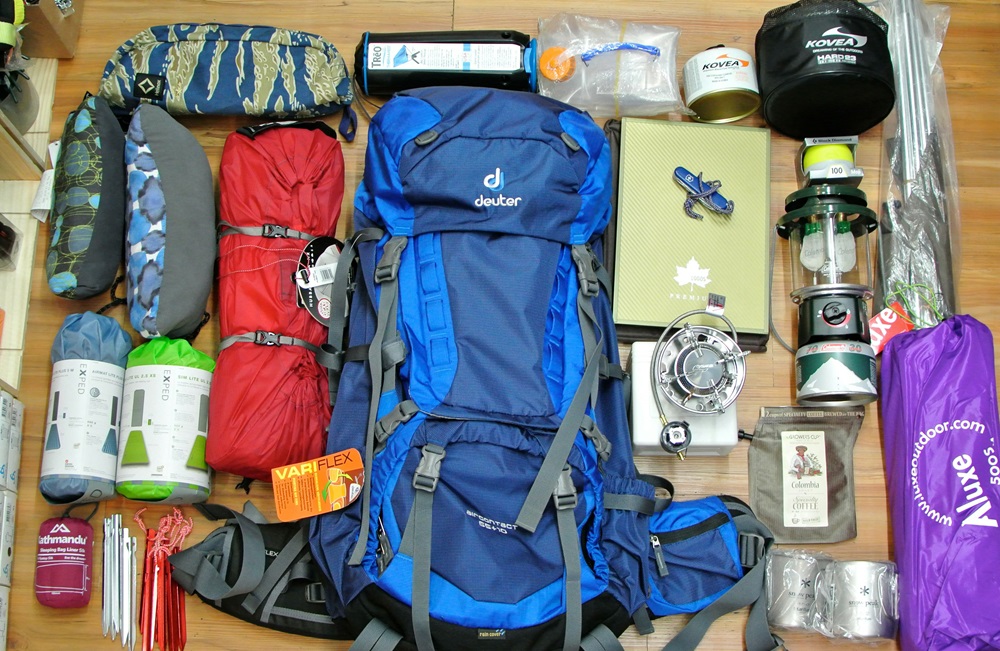
You don’t need to buy everything new. Many hikers pick up a pack, boots or an insulating jacket secondhand, and marketplaces like Geartrade list used and new outdoor gear in one place.
Whatever you buy, test it on a short local walk first. A pack that rubs or boots that pinch show up within 30 minutes.
Keep the small items in one pouch inside your daypack. That way the essentials are packed every time you leave.
FAQ
Here are answers to a few more questions hikers ask before they head out:
Do You Need All 10 Essentials on a Short Hike?
Yes, though you can carry smaller versions. Weather and injuries don’t care how short the trail is.
Can Your Phone Replace a Map and Compass?
A phone helps, but batteries die and cold drains them faster. A paper map and compass work in any conditions, so carry them as a backup.
What Should Go in a Day Hike First Aid Kit?
Pack bandages, blister care, medical tape, gauze, pain relievers and any personal medication. Learn the basics of using them before you go.
How Much Food Should You Bring on a Day Hike?
Bring more than you plan to eat. Extra snacks cover delays and keep your energy steady.
Where Should You Keep the Essentials?
Keep them in a dedicated pouch inside your daypack. They stay packed and easy to find.
Bottom Line on Hiking Supplies
A good day hike starts with a pack that covers the basics. The 10 essentials give you a simple checklist for direction, warmth, light, food, water and shelter.
Match the amounts to your trail and the weather. Then you’re ready for most surprises.