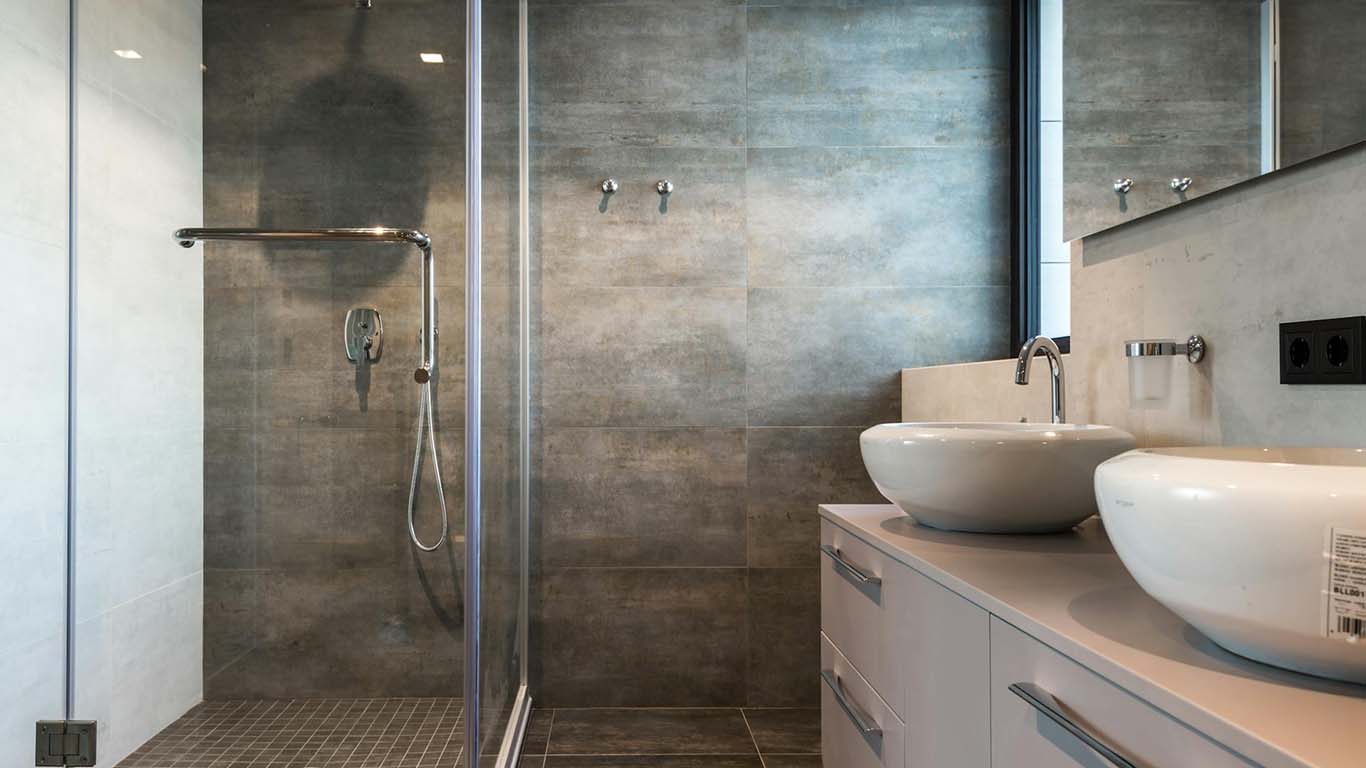
Bathrooms are subject to moisture, steam and direct water flows all the time. Without appropriate protection, these conditions have the potential to cause damage to walls over time. Most homeowners do not consider the rate at which water penetrates surfaces.
This in the long run results in the growth of mold, peeling of finishes and structural weakening. You can avoid such problems with waterproof barrier for shower walls. An effective waterproofing system safeguards the exposed areas and concealed layers.
It also enhances hygiene and minimizes life time maintenance expenses. Knowing the appropriate techniques will enable the establishment of a long-term and stable bathroom environment that will work over time.
Moisture Control Basics
The basis of any waterproofing plan is moisture control. Shower and steam water streams disperses on walls and collects in cracks. When not covered, this moisture is absorbed by walls and they start to weaken.
Effective waterproofing provides a shield through which water will not penetrate the surface. This aids in the strength and integrity of wall materials. Moisture control is also enhanced by good ventilation to reduce the level of humidity.
Combined these actions avoid long term injury. Knowing the behavior of moisture will enable the homeowner to act in time. This is a critical step towards achieving a secure wall in bathroom areas.
Modern Membrane Systems
Membrane systems find extensive application in the provision of reliable results of waterproofing. Liquid membranes are sprayed on the walls to create a smooth covering. The sheet membranes are placed in layers and closed at the joints.
The two are very resistant to water. The systems are made to accommodate continuous exposure in the shower areas. Effective use will make sure that there are no weak areas or loopholes.
The primary protection layer in the waterproofing process is the membranes. The selection of the type depends on the project and the condition of the wall. New membranes are durable and can perform well in wet conditions.
Sealing Critical Zones
There are more prone points of moisture damage on bathroom walls. High risk zones are corners, joints and areas surrounding fixtures. Without proper sealing of these points, water may easily leak through them.
These areas are sealed by using silicone sealants and waterproof tapes. Proper sealing will ensure there will be no leaks and will reinforce the whole system. Frequent checking would detect any wear. The earliest protection in these areas is crucial.
Maintenance of an entirely waterproofing environment would require the usage of strong sealing techniques. The step will assist in avoiding any undiscovered damage and future expensive repair that can withstand an exposure to moisture every day.
Surface Compatibility Factors
Surface compatibility is also a factor in success in waterproofing. Various wall materials demand special treatments and products. Cement boards, drywall, and plaster surfaces react to moisture differently.
The waterproofing drywall for shower should be applied to the best effect. The base material should bond with the adhesives and coatings. Correct compatibility guarantees stable performance, and minimizes the risk of failure.
This is a factor that should be put into consideration by the homeowners when making material selection. An aptly matched system enhances durability and efficiency. This method provides a good and durable moisture barrier.
Long-Term Protection Strategy
The walls should be waterproofed with a long-term plan. Regular maintenance also ensures the maintenance of efficacy of the system. Minor problems like the deteriorated sealants ought to be fixed quickly.
Regular cleaning will eliminate accumulation that can cause weaknesses on surfaces. Observing high moisture areas is a way of early identification of issues. Preventive maintenance minimizes the incidences of major repairs.
Regular maintenance schedule ensures that the waterproofing system is dependable. This method brings about years of protection of bathroom walls. The idea of long-term care is important in maintaining durability and performance.
Conclusion
Proper techniques and maintenance are necessary in protecting shower and bathroom walls against water infiltration. Membrane systems, sealing methods and moisture control are collectively employed to avoid water damage.
Surface compatibility guarantees that materials do what is required. Durability and reliability are also enhanced by a long-term strategy.
Homeowners can have safe, clean, and long-lasting bathroom walls by investing in the right approach that can withstand an exposure to moisture every day.